Choosing Your Wedding Flowers by Season
The best blooms aren't just beautiful — they're in season. Here's our guide to choosing flowers that look stunning and last all day.
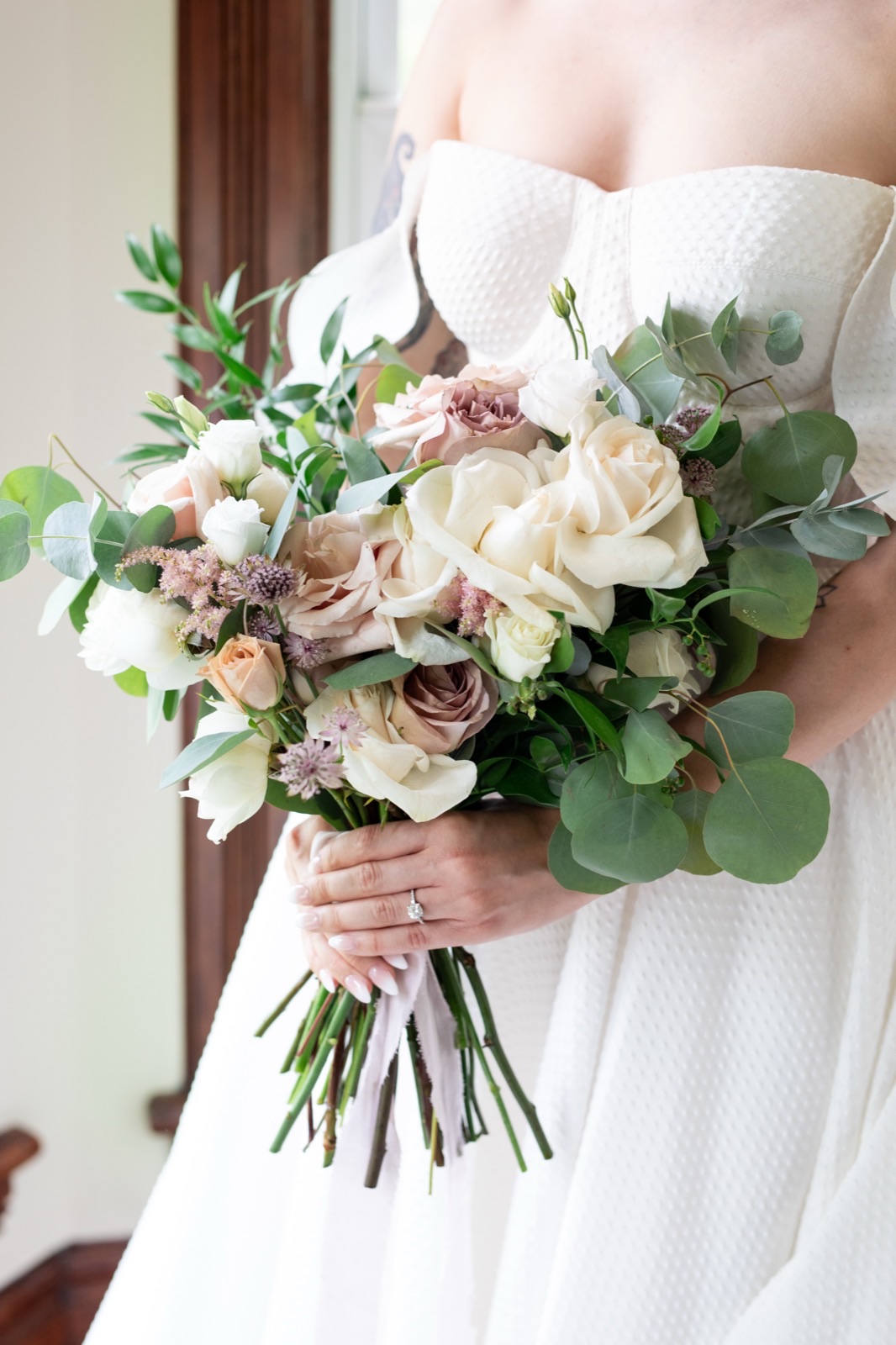
One of the first questions we ask every couple is: when's the date? Not just because we want to mark our calendars — but because the season shapes everything. The flowers available in April look completely different from October, and leaning into what's naturally in bloom is how you get the most lush, vibrant, long-lasting arrangements.
Here's our season-by-season guide to help you dream up your perfect palette.
Spring (March – May)
Spring is the shortest window and the most requested one. The delicate stems on every moodboard are only available for a few weeks each.
- Peonies — The most requested flower we buy, and gone by mid-June. Fragrant, enormous, and worth planning a date around.
- Ranunculus — Paper-thin petals in every shade of blush, coral, and cream. Our personal favorite.
- Sweet peas — Delicate and trailing, with a scent most guests have never met in person.
- Garden roses — Available year-round but peak in spring. Lush and fragrant.
- Tulips — Clean, modern, and surprisingly versatile. Beautiful in monochrome arrangements.
Spring palette tip: Think soft and romantic — blush, ivory, lavender, and sage green. Let the flowers do the talking.
Summer (June – August)
Summer brings the widest choice of the year — more variety, more color, bigger blooms.
- Dahlias — Dinner-plate varieties will carry a centerpiece on their own. Deep burgundy, coral, blush, and white.
- Sunflowers — Cheerful and rustic. Perfect for outdoor celebrations.
- Hydrangeas — Full, cloud-like blooms that fill arrangements beautifully.
- Lisianthus — Rose-like but more affordable and heat-resistant. Our summer workhorse.
- Zinnias — Bright, garden-fresh, and perfect for a relaxed vibe.
Summer palette tip: Embrace color — coral, terracotta, golden yellow, deep greens. Summer weddings can handle drama.
Fall (September – November)
Fall shifts the palette to deeper, moodier tones, and the textural material — grasses, seed heads, foliage — is at its best.
- Dahlias — Still going strong into early fall. Burgundy and rust shades are stunning.
- Chrysanthemums — Modern varieties bear no resemblance to the supermarket kind.
- Amaranthus — Dramatic trailing blooms that add movement and texture.
- Roses — Always available. Deep red, dusty rose, and champagne are fall favorites.
- Dried elements — Pampas grass, dried bunny tails, preserved eucalyptus. Perfect for fall texture.
Fall palette tip: Rust, burgundy, mauve, olive, and cream. Add texture with grasses and seed pods.
Winter (December – February)
Winter narrows the selection, and the narrowing is useful: fewer options force a more deliberate design.
- Roses — The winter staple. Garden roses, spray roses, and English roses all thrive.
- Anemones — Bold black centers with white or jewel-toned petals.
- Hellebores — The "winter rose." Subtle, sophisticated, and unique.
- Ranunculus — Returns in late winter. A preview of spring to come.
- Evergreens & berries — Cedar, pine, holly berries. Beautiful for ceremony installations.
Winter palette tip: Deep jewel tones (emerald, navy, wine) or go monochrome with all-white and lots of texture.
A Note on "Out of Season" Requests
Can you get peonies in November? Technically, yes — but they'll be flown in from another hemisphere, they'll be expensive, and they won't have that lush, fragrant quality you fell in love with on Pinterest. We always encourage couples to lean into what's naturally available. Your flowers will be fresher, more affordable, and honestly more beautiful.
That's the garden-style philosophy: work with nature, not against it.
Planning your own?
Our look book walks through the palettes, installations and process behind the weddings we design.
Send me the look bookAlready have a date? Start an inquiry