Hill Country Wedding Flowers: A Florist's Guide to Austin Seasons
Central Texas doesn't play by the same rules as everywhere else. What to know about choosing wedding flowers that hold in Austin's climate, season by season.
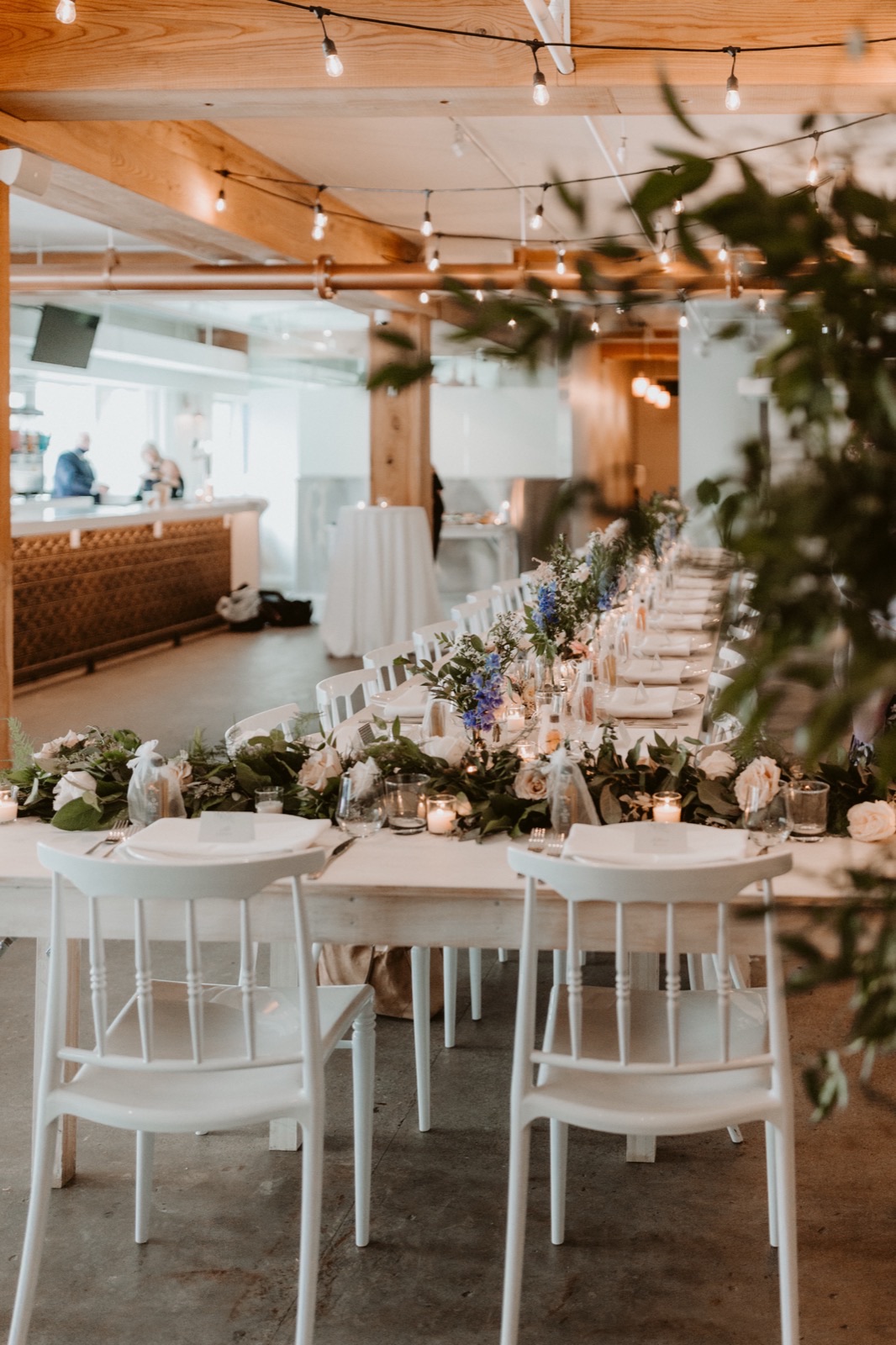
Couples fall in love with a flower on Pinterest — usually photographed at a Vermont barn wedding or a Pacific Northwest elopement — and are surprised to learn it will not survive an August afternoon here. Central Texas has its own rules. Learning them is the difference between flowers that last the evening and flowers that fold before the first dance.
The good news: Texas wildflowers and Hill Country botanicals are extraordinary. Bluebonnets in spring. Antique garden roses that practically beg to be put in a bouquet. Olive branches, eucalyptus, and rosemary that thrive in the dry heat. Native grasses and dried seed heads that keep their shape through a full day of heat.
The key is matching your flowers to your season — and understanding that Austin's seasons don't quite match the calendar the way other parts of the country do.
Austin's Wedding Seasons, Honestly
Austin's most popular wedding months are October through May. There's a reason for that: the weather is actually enjoyable for guests, and the flowers hold. Summer weddings (June through September) absolutely happen here — but they require different planning, earlier ceremony times, and a florist who knows how to design for heat.
Spring — March through May
- Peak season in Austin — book early
- Bluebonnets peak in late March/early April (wildflower season)
- Garden roses, peonies, ranunculus, sweet peas, anemones
- Herbs in full bloom: rosemary, lavender, eucalyptus
- Lush and romantic — the most sought-after look in Central Texas
- Weather: 65–85°F, occasional rain — flower-friendly
Early Fall — October through November
- Second peak season — the Hill Country turns gold
- Cosmos, dahlias, marigolds, zinnia, fall-toned garden roses
- Dried grasses, seed heads, and preserved botanicals look stunning
- Warm amber and terracotta palettes feel completely natural here
- Weather: 55–80°F — ideal for outdoor ceremonies and florals
Winter — December through February
- Underrated wedding season in Austin (mild winters, fewer crowds)
- Evergreens, eucalyptus, olive branches, white garden roses
- Magnolia leaves, pine cones, cotton stems — texture-forward designs
- Amaryllis, paperwhites, hellebores
- Weather: 45–65°F — outdoor events need contingency plans
Summer — June through September
- Heat-hardy flowers only: sunflowers, zinnias, celosias, marigolds
- Tropical blooms hold surprisingly well: anthuriums, tropical foliage
- Succulents for ceremony and décor (they love the heat)
- Avoid: peonies, ranunculus, lily of the valley — they will wilt
- Strategy: later ceremony (6pm+), keep arrangements in cool storage until ceremony
- Weather: 95–105°F — plan accordingly
The Flowers That Just Work in Texas
There are blooms that feel made for this landscape — they look right here in a way they don't anywhere else.
Garden Roses
The workhorse of the Juniper aesthetic. Available year-round from domestic and imported growers, garden roses have that loose, unstructured quality that defines the garden-style look. In Austin, we work with varieties that hold well in warm temperatures. Caramel Antike, Keira, Distant Drums — these are roses built for the way we design.
Eucalyptus and Native Greenery
Silver dollar eucalyptus, seeded eucalyptus, olive branches, and native Texas grasses feel completely at home here. They drape. They arch. They make a garland that looks like it grew that way. In the dry Hill Country air, eucalyptus actually lasts beautifully.
Wildflower Accents
We don't put bluebonnets in arrangements — they're a protected Texas wildflower and they don't hold in water — but the wildflower aesthetic translates beautifully. Queen Anne's lace, cosmos, sweet Williams, and larkspur all give that loose meadow feeling without touching a protected species.
Dried and Preserved Elements
This is where Austin couples often find something unexpected and wonderful. Dried pampas grass, preserved eucalyptus, cotton stems, and neutral seed heads photograph beautifully in Texas light. They're also incredibly practical for summer weddings — they look exactly the same at 9am as they do at 9pm in 100-degree heat.
A note on sourcing
Austin has an excellent wholesale flower market and a growing community of local flower farmers in the Hill Country. Whenever possible, we source from Texas growers — not just because it's local, but because regionally grown flowers arrive fresher and are acclimated to our climate. It shows in how they hold.
Choosing Your Palette for the Hill Country Light
Austin light is different. It's warm, golden, and intense. Colors read differently here than they do in, say, a grey-sky Pacific Northwest forest. Soft blush and white can look almost luminous at sunset on a cedar-covered hilltop. Deep burgundy and terracotta feel completely natural against limestone and live oak. Lavender and dusty blue catch the dusk light in a way that looks almost painted.
What doesn't always translate: very cool tones (icy blue, stark white against dry grass) and highly saturated colors that compete with the landscape instead of living in it. The most beautiful Hill Country wedding florals tend to draw from the earth — creams, warm pinks, dusty mauves, copper, sage — and let the landscape do some of the work.
Practical Tips for Hot-Weather Weddings
If you're getting married in June, July, August, or September in Central Texas, here's what we think about:
Ceremony timing: If your ceremony is outdoors, 5pm or later makes an enormous difference. The light is better for photos anyway.
Storage: Arrangements travel from our studio in temperature-controlled vehicles and are held in cool spaces at your venue until they're needed. Timing matters.
Design choices: We'll steer you toward sturdier blooms and avoid anything that wilts quickly. This isn't a compromise — it's good design for your environment.
Bouquet care: Keep your bouquet in water until fifteen minutes before the ceremony. Don't hold it in the direct sun. These small things make a real difference.
Planning your own?
Our look book walks through the palettes, installations and process behind the weddings we design.
Send me the look bookAlready have a date? Start an inquiry
A Few of Our Favorite Austin-Area Venues
The Hill Country has an embarrassment of riches when it comes to wedding venues. A few settings that particularly inspire the kind of garden-style florals we love:
Barton Creek Resort & Spa — The limestone architecture and Hill Country views are a natural backdrop for soft, romantic florals. Garden roses and eucalyptus garlands look completely at home here.
Prospect House — One of Austin's most photographed venues, with those iconic arched windows and warm wood tones. Loose, asymmetrical designs with dried grasses and garden blooms photograph beautifully in the space.
Hartman Farms — An outdoor farm venue where the landscape is already doing the work. Here we lean into wildflower-inspired arrangements and let the setting lead.
Ma Maison — Tucked into the Hill Country in Dripping Springs, this venue has that old Texas estate feeling. It asks for something lush and slightly overgrown — exactly the direction we naturally gravitate.
Every venue has its own personality, and the best florals respond to that personality rather than imposing on it. That conversation — between the space, the light, the season, and your vision — is where the design begins.
If you're planning an Austin wedding and want to talk through what would work beautifully for your date and vision, we'd love to hear from you.
Inquire for your 2026 or 2027 date
Limited dates available each season. We'd love to learn more about your wedding.
Get in Touch